
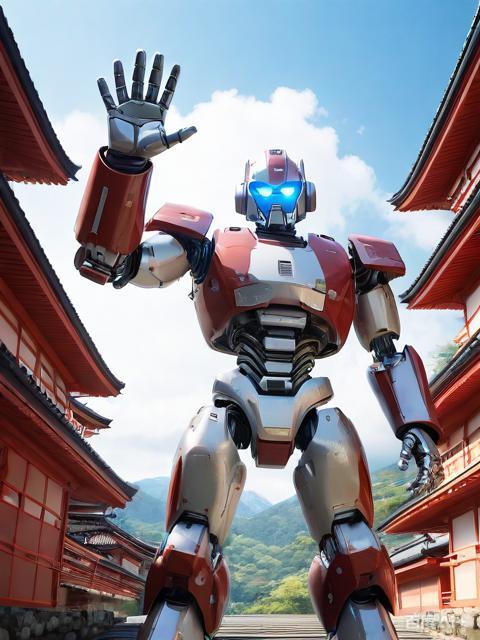
Once a global titan in consumer electronics, automotive engineering, and robotics, Japan has seen its competitive edge erode in key technological sectors over the past decade. While the nation’s emphasis on order and stability has preserved social cohesion, analysts now argue that this conservatism has come at the cost of innovation, particularly in mobile technology, artificial intelligence (AI), and robotics—fields where neighbors like China have surged ahead.
The Decline of a Tech Powerhouse
In the early 2000s, Japanese brands like Sony, Sharp, and Panasonic dominated mobile phone innovation. Today, they have been eclipsed by Chinese giants such as Huawei, Xiaomi, and South Korea’s Samsung. Similarly, in AI, Japan’s investment and research output lag behind China and the U.S., with Chinese firms like Alibaba and Tencent leading in patent filings and real-world applications. Even Japan’s renowned robotics sector, symbolized by companies like Fanuc and SoftBank’s Pepper, faces stiff competition from China’s agile startups and state-backed initiatives in industrial and service robotics.
Cultural and Structural Hurdles
The outside world has always believed that Japan is a conservative society, which may not be a misunderstanding. I once heard from a friend that an outdated transmission tool, the fax machine, is still widely used in many Japanese companies today. Experts point to Japan’s risk-averse corporate culture, rigid hierarchical structures, and societal emphasis on conformity as critical barriers. “Japan’s ‘invisible hierarchy’ discourages disruptive thinking,” says Dr. Akira Tanaka, a tech sociologist at Kyoto University. “Young employees are expected to follow seniority-based promotion, stifling grassroots innovation.” Meanwhile, China’s aggressive funding for startups, tolerance for failure, and rapid scaling of tech ecosystems have propelled its ascent.
Compounding this is Japan’s “low-desire society,” where youth, burdened by economic stagnation and precarious work, prioritize stability over ambition. A 2022 government survey revealed that only 15% of Japanese workers under 30 aspire to entrepreneurship, compared to 45% in China.
Paths to Renewal: Embracing Risk and Reforming Systems
To rekindle innovation, stakeholders propose bold reforms:
- Education Overhaul: Shift from rote learning to curricula fostering creativity and critical thinking.
- Startup Ecosystems: Expand venture capital access and tax incentives for tech entrepreneurs, mirroring South Korea’s success with unicorn companies.
- Corporate Reinvention: Encourage cross-industry collaboration and flatten corporate hierarchies to empower young talent.
- Global Partnerships: Attract foreign expertise and investment through relaxed immigration policies and international R&D hubs.
- Cultural Shift: Celebrate risk-taking and failure as growth opportunities, moving beyond the stigma of shippai (failure).
“Japan’s strengths—precision, craftsmanship, and teamwork—can still be leveraged,” says tech entrepreneur Maria Suzuki, founder of AI startup MindLink. “But we need to blend tradition with a startup mindset, or we risk irrelevance.”
A Call for Balanced Evolution
Japan stands at a crossroads: preserve the structures that ensured post-war prosperity or embrace transformative change to reclaim its tech leadership. The challenge lies in fostering a culture where stability and innovation coexist—a balance that could redefine Japan’s role in the global tech landscape. Throughout Japan’s history, it has not lacked the courage and tradition to innovate and change. Many advanced technologies and ideas were introduced from the prosperous Tang Dynasty in China in the 7th century, and the Meiji Restoration later brought Japan to a modern country. Perhaps we should not be too pessimistic about Japan’s future.
 deepworldnews.com
留下评论